
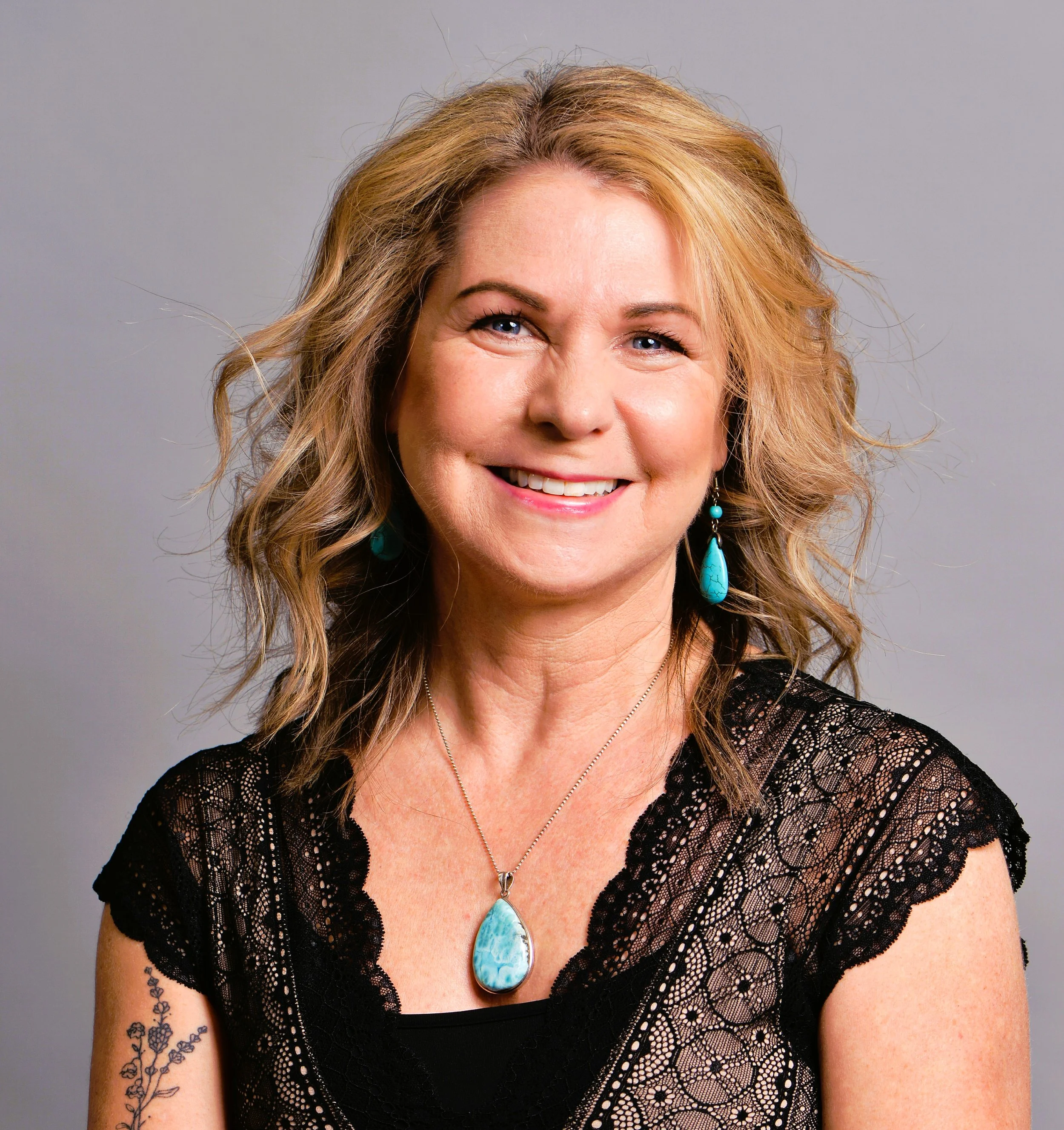
Welcome! I’m Leigh - a Registered Clinical Counsellor (#21332) and grief therapist. My path to this work has been anything but linear, and I wouldn’t have it any other way.
My first career began through touch, movement, and presence; as a massage practitioner and yoga teacher. Those early years taught me about the body’s wisdom, the way emotion lives within us, and how grief shows up physically before we can put words to it.
Eventually, through life experience, I became drawn to social change and human resilience. I completed an undergraduate degree in humanities and social justice and went on to work in the field of mental health and substance use. This grounded my understanding of systemic influences on well-being and strengthened my belief in the power of compassion and client-centered care.
While I always knew that I wanted to become a counsellor, I did not initially anticipate that my work would focus on grief. Yet, this path feels both natural and deeply personal. My dad was diagnosed with ALS when I was ten years old, and given 3 to 5 years to live. He ended up living far longer than his 3-5 year prognosis, and eventually passed away when I was in young adulthood. This early exposure and familiarity with grief, both of my own, and that of witnessing my dad deal with his illness and eventual death has profoundly informed my values as a person, and my approach as a therapist.
As Viktor Frankl wrote in Man’s Search for Meaning (1959);
“In some ways suffering ceases to be suffering at the moment it finds a meaning.”
Grief is not limited to death. It can arise from illness, caregiving, separation, aging, changes in identity, or any experience that alters the life we once knew. Grief is a natural, human response to love and to change and it deserves care, time, and understanding.
I believe that healing happens in relationship - in being witnessed, heard, and supported without judgement. My approach is integrative; drawing from a variety of therapeutic modalities that allow me to meet each client exactly where they are. Every person’s experience of grief, illness, loss, and life transition is unique, and I tailor our work together to honour your individual needs, strengths, and goals. My intention is to offer space where you feel genuinely supported, deeply respected, and never alone in what you are carrying.
I draw from several therapeutic approaches, tailoring our work to who you are, the uniqueness of your story, and what you are needing in the moment.
Person-Centered Therapy: At the heart of my work is a person-centered approach. I believe you are the expert of your own experience. My role is not to tell you what to do, but to create a safe, compassionate space where you can explore your thoughts, emotions, and experiences with authenticity and self-compassion.
Existential Therapy and Meaning Reconstruction: Grief touches every aspect of our lives: emotionally, physically, mentally, socially, and spiritually. Together, we explore the complexities of loss, make space for difficult emotions, honour meaningful connections, and discover ways to move forward while carrying the love and memories that remain. Periods of loss and illness often raise profound questions about meaning, purpose, identity, and mortality. We may explore these questions with curiosity and compassion, helping you reconnect with what brings meaning, hope, and a sense of belonging and identity.
Acceptance and Commitment therapy (ACT): ACT helps clients develop psychological flexibility during life’s most difficult moments. Rather than fighting painful emotions, we learn how to make room for them while staying connected to what matters most. This approach is particularly helpful for grief, anticipatory grief, disenfranchised grief, illness, anxiety, and life transitions.
Somatic and Mind-Body Approaches: Grief, trauma, and illness are not only experienced in the mind, they live deeply in the body as well. Through gentle somatic practices, mindfulness, breath awareness, and body-based interventions, clients can reconnect with their inner wisdom, regulate their nervous system, and find moments of grounding and peace.
A Holistic Perspective: I recognize that healing involves the whole person: mind, body, heart, and for many people - the spirit. I welcome conversations about meaning, purpose, spirituality, and the deeper questions that often arise during times of loss and transition.
Contact: leigh@leighkankewittcounselling.com